Hadas Segal
When you hear the word “Asylum,” what vivid images come to life in your mind?

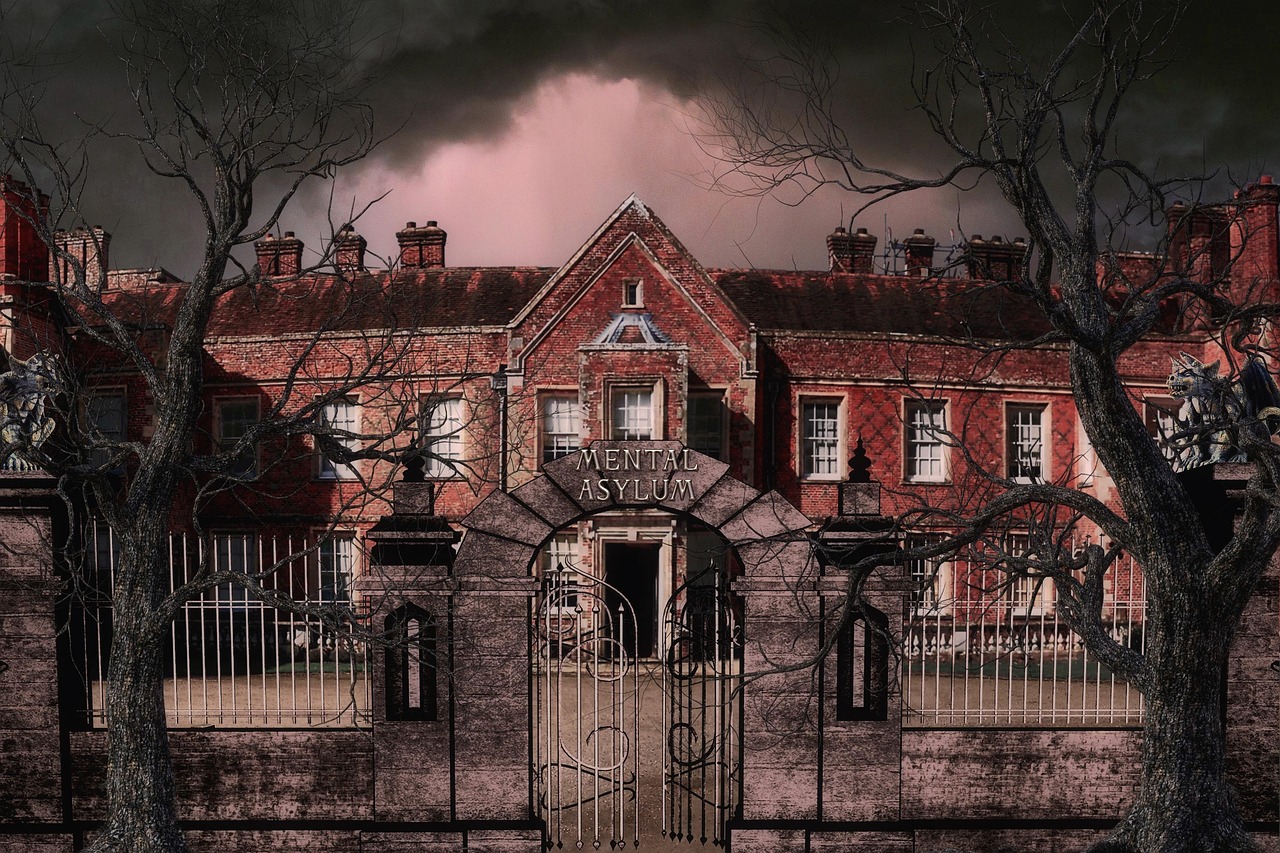
move the border to see which one you have in mind!
Do you see a serene sanctuary, bathed in warm light, where those seeking safety can finally breathe, embraced by compassion and professional care? Or perhaps a haunting, gothic manor, its towering spires piercing the sky, guarded by iron gates that seem to whisper tales of sorrow— an institution that offers hope yet often falls tragically short in its promise to nurture the fragile souls within?
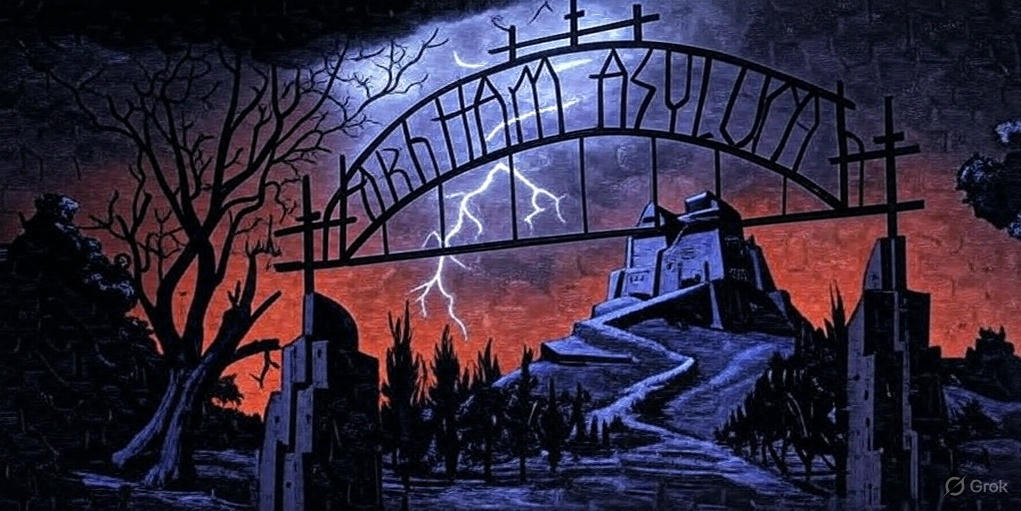
From Batman: the animated series (1992)
For me, the imagery is as striking as a thunderbolt illuminating the stormy skies over Arkham Asylum. Yes, you’ve guessed it—when I hear “Asylum,” I’m transported back to the 1990s, to the intoxicating world of the Batman animated series.

1995, me dressed as Batman for Purim
As a little girl, I donned a homemade cape, stitched together by my indomitable grandmother, a Holocaust survivor whose resilience pulsed through every thread. Each Purim, I transformed into Batman, embodying the hero who haunted my dreams.
In the late 2000s, I plunged deeper into this dark universe, playing the Arkham trilogy video games, where Arkham Asylum was in the geographical focus of the game.
The very mention of Arkham Asylum, for me, conjured a haunting comparison; those gates, emblazoned with the name “Arkham Asylum,” echo the chilling inscription “arbeit macht frei” from Auschwitz—a reminder of the nature of such places. Their promise of liberation is but a deadly joke.
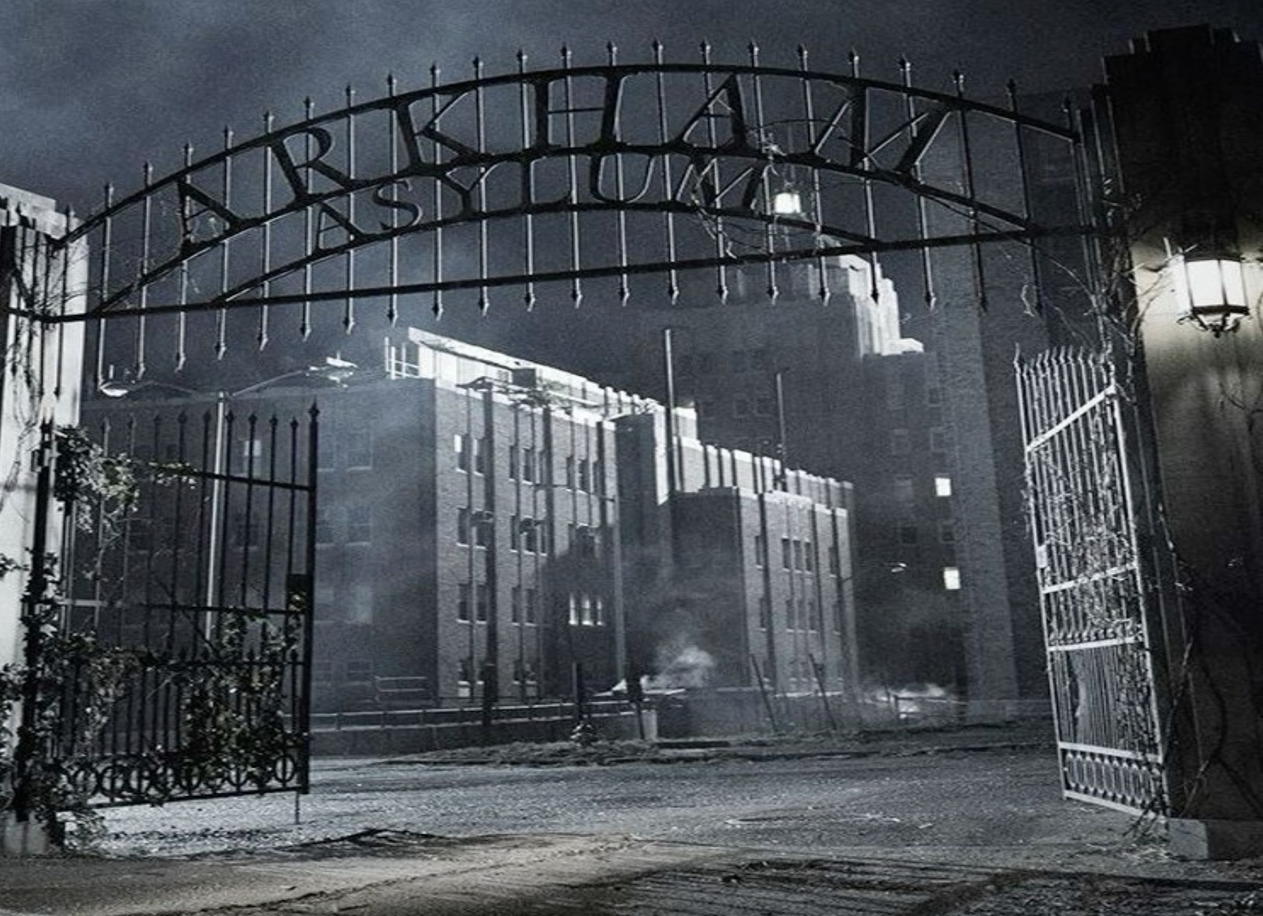
Arkham Asylum as portrayed in Batman’s video games
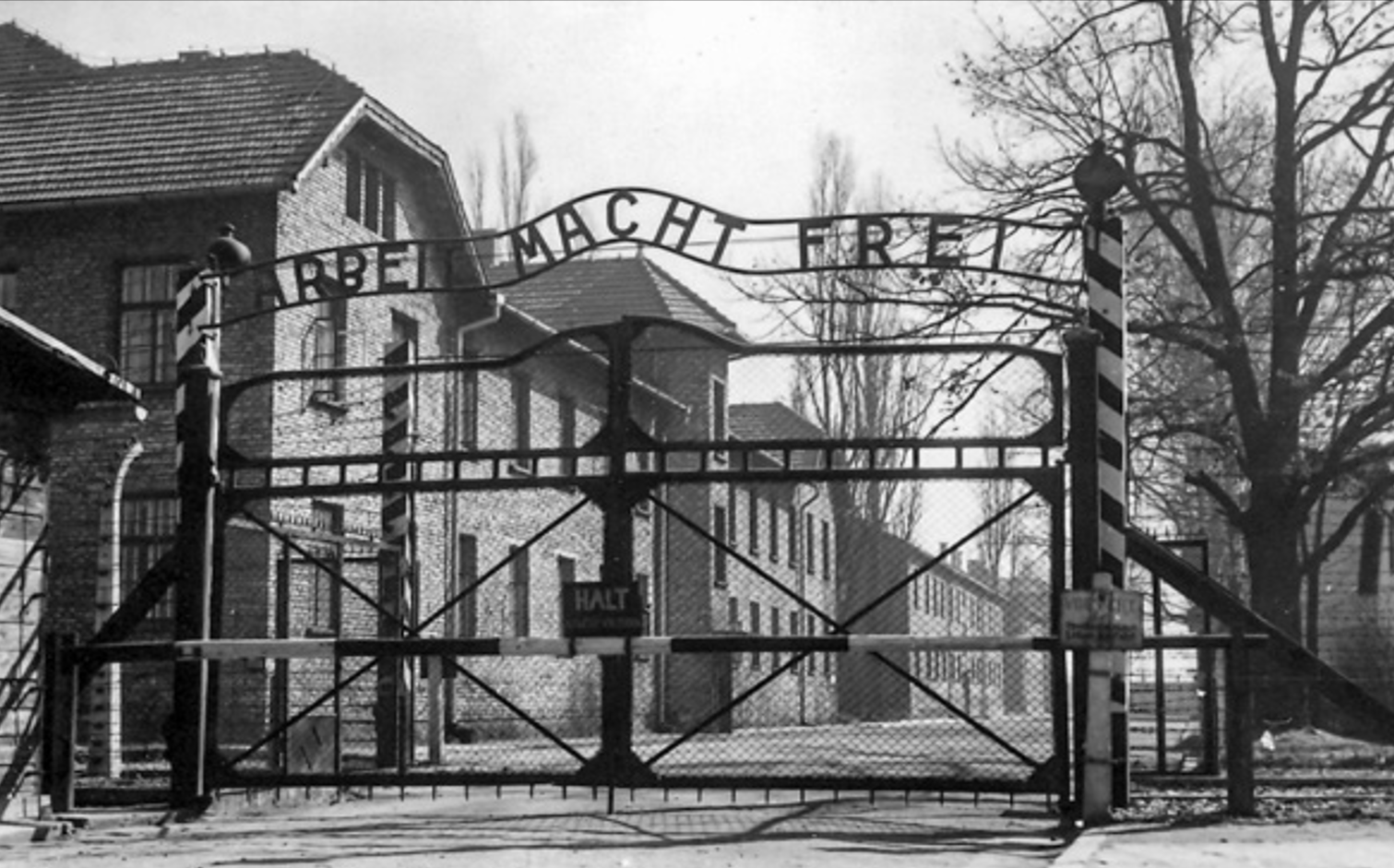
The main gate to Auschwitz I, the original camp, bearing the infamous wrought-iron sign “Arbeit macht frei” (“works sets you free”)
Thus, when I learned that the very word of Asylum as, rather than hopeless prison that masks itself as psychiatric guard, meant to convey a place of hope and shelter, I was confused. Arkham Asylum, with its haunting corridors, is not just a backdrop for the caped crusader’s adventures; I realized it embodies a profound commentary on mental health, societal fears, and the stigmas that have persisted throughout American history.
This surprising duality lies at the heart of my exploration, beckoning me to delve deeper into its layers and intricacies. How does Arkham reflect the evolving understanding of mental illness? What cultural currents have molded it into something more than a mere institution for the mentally ill? This intertwining of history, mental health, and popular culture paints a rich picture, one that I forever want to explore and reflect on how the characters we idolize and those we vilify shaped by the very societal fears we struggle to confront. Join me as I take this journey to reveal not just the nature of the asylum, but also the dark corners of our collective psyche.